Best At-home Ipl Devices for Hyperpigmentation (dark Spots)
TL;DR — Our Picks
This article is for informational purposes only and does not constitute medical advice. Always consult a board-certified dermatologist or healthcare professional before starting any new skincare regimen, especially if you have existing skin conditions or sensitivities.
This article contains affiliate links. We may earn a commission on qualifying purchases at no cost to you.
If you're shopping for the best at-home IPL devices for hyperpigmentation (dark spots), you're probably tired of seeing post-acne marks, sun spots, and uneven tone linger far longer than you'd like. Here's the important reality: most home IPL devices are primarily designed for hair reduction, not pigment correction, so it's important to choose carefully and keep expectations realistic. My top pick is the Ulike Air 10 IPL Ice Cooling because it offers a strong balance of comfort, consistency, and user-friendly design for people who want an at-home light device that may help improve the overall look of uneven skin tone while also handling unwanted hair. This is the one many readers may want to consider first.
Quick Answer
The best at-home IPL devices for hyperpigmentation (dark spots) is the Ulike Air 10 IPL Ice Cooling. It's an at-home IPL device that stands out because it's easy to use consistently, has a cooling feature that can make sessions more tolerable, and feels more polished than many cheaper options. It's best suited to people who want a beginner-friendly pick and understand that IPL may help the appearance of certain spots but isn't a replacement for targeted vitamin C, retinoids, or in-office treatment.
What It Does — The Science Behind It
IPL stands for intense pulsed light. Unlike a laser, which uses a single wavelength, IPL uses broad-spectrum light that targets pigment in the skin and hair. In dermatology, pigment-targeting light can sometimes help break up excess melanin so dark spots may gradually look less noticeable, especially if the discoloration is related to sun exposure rather than deeper melasma.
That said, home devices are much less powerful than in-office systems, and most are tuned first for hair removal. That matters. If you're buying one of the best at-home IPL devices for hyperpigmentation (dark spots), think of it as a supporting tool, not a miracle fix. Research on light-based technologies suggests they can contribute to improvement in uneven tone, but results depend heavily on your skin tone, the type of pigmentation, and how consistently you use sun protection.
One of the biggest mistakes people make is using IPL while ignoring the basics. If sunscreen isn't part of the routine, and if you're not pairing your regimen with well-studied topical ingredients like vitamin C, niacinamide, azelaic acid, or retinol, dark spots may remain more noticeable or recur over time. Light-based devices may help, but pigment control is usually a long game.
What To Look For — Shopping Checklist
Choose a device with clear skin tone guidance, because IPL may worsen discoloration if used on skin tones or spot types the brand does not recommend. Prioritize comfort features like cooling, glide modes, and ergonomic shape, since consistency matters more than chasing the strongest-sounding specs. Look for a large flash count so you can keep using the device long term without replacement anxiety. Stick with brands that give straightforward instructions and treatment schedules, especially if you're new to at-home light devices. Be realistic about your goal: these devices are mainly built for hair reduction, so they may help overall tone subtly but are not the best option for melasma or very stubborn dark spots. A pigment-friendly routine may include vitamin C in the morning and niacinamide or retinoids at night, since supportive skin care and sun protection may improve overall results. If consistent sunscreen use is unlikely, an IPL device may be a poor fit, since UV exposure can reduce or offset any visible improvement. If you have a history of melasma, post-inflammatory hyperpigmentation after irritation, or a deeper skin tone, extra caution is wise, and a dermatologist may be worth consulting before using home IPL.
Our Top Picks
When readers ask me for the best at-home IPL devices for hyperpigmentation (dark spots), I generally highlight the models that appear easiest to use correctly and consistently. None of these are direct substitutes for pigment serums or in-office treatment, but these are the three I'd most seriously consider depending on budget and tolerance for discomfort.
Top Pick: Ulike Air 10 IPL Ice Cooling
The Ulike Air 10 IPL Ice Cooling is my top pick because it feels especially approachable for regular use, and with home IPL, regular use may give you a better chance of noticing any improvement in overall skin clarity. The standout here is the IPL light itself, which targets pigment in hair follicles and may also contribute to a more even-looking tone over time in some users, though this device is still primarily designed for hair removal. The built-in ice cooling feature matters more than people think: less heat and sting usually means you're more likely to stay consistent, and consistency is an important factor if you're hoping to address both regrowth and the look of scattered dark marks. Ulike also leans on a broad-spectrum light approach, which is relevant because pigment-targeting light works by interacting with melanin, though home settings are intentionally gentler than professional treatment.
From a real-world use perspective, this one tends to feel smoother and more refined against the skin than many budget tools. The handpiece has that polished, premium-device feel, and the cooling gives each flash a chilled, almost glassy sensation instead of the sharp snap that makes some people quit after two sessions. For readers worried about irritation triggering more discoloration, that comfort edge may be a real advantage. I also like it because it doesn't ask you to fight the device; it's intuitive enough that many beginners can build a routine without overthinking every step.
Why does it beat the others for this article? Because comfort plus consistency is often the formula that wins at home. A theoretically stronger or more famous device doesn't help much if you dread using it. This is the one I'd suggest considering if your dark spots are mild, your expectations are realistic, and you want one device that may support a more even appearance while also cutting down on unwanted hair. Who Should Skip It: This may not be the best fit if your main issue is melasma or deep, stubborn hyperpigmentation, because a home hair-removal IPL device is not the most targeted tool for that concern.

Ulike Air 10 IPL Ice Cooling
Splurge Pick: Silk·Expert Pro 5 IPL
The Braun Silk·Expert Pro 5 is the splurge pick for one reason: trust. This is one of the most established at-home IPL devices on the market, and with more than 7,000 reviews and over 2K bought last month, it's clearly a device many shoppers are willing to invest in. Its signature feature is the Skin Pro sensor, which continuously reads your skin tone and adjusts the light intensity, and that's especially useful when you're trying to avoid excess irritation that could make post-inflammatory marks look worse. It also uses IPL light technology with fast flashes and a broad treatment window, which can make larger areas easier to cover consistently.
The big appeal here is polish and speed. Braun devices tend to feel sturdy, professional, and well-calibrated rather than flashy, and that matters when you're using light-based tools near areas with uneven tone. The glide is quick, the head sits nicely against the skin, and many users say it makes sessions feel efficient rather than fussy. If you're the kind of person who follows through more reliably when a device feels premium, this may be the one that earns its keep.
For hyperpigmentation specifically, I like the built-in skin sensing because it adds a layer of caution. That's valuable since the wrong intensity on the wrong skin type can backfire. I still would not buy this expecting dramatic spot fading on its own, but if you want the most reputable-feeling option and don't mind paying more, this is a strong choice. Compared with Ulike, it may offer more legacy-brand confidence; compared with INNZA, it may offer a more sophisticated safety feel. Who Should Skip It: This may be less appealing if you're budget-conscious or only want to treat a small area, because the premium price makes less sense if usage is likely to be inconsistent.
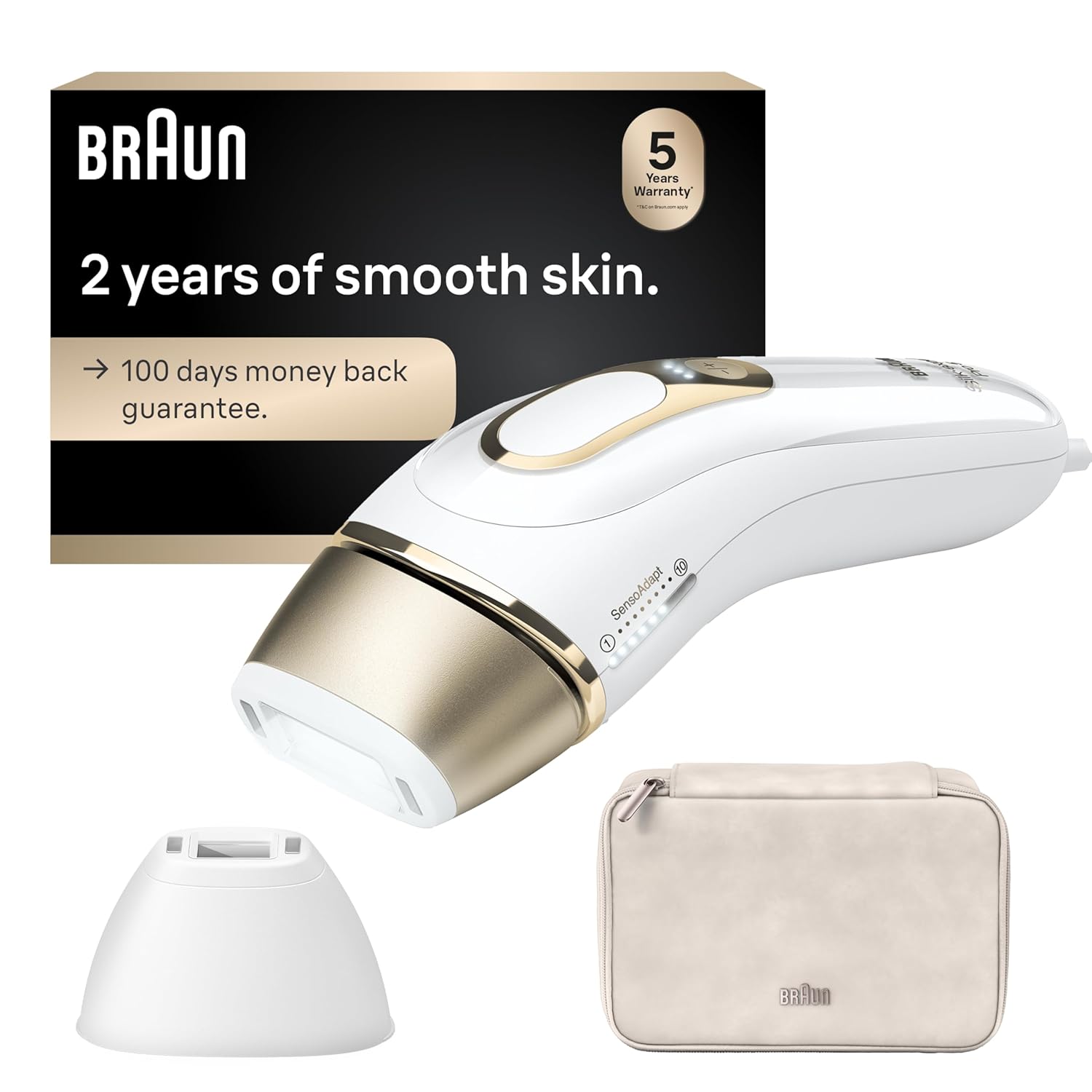
Silk·Expert Pro 5 IPL
Budget Pick: INNZA IPL Ice Cooling
If you want the budget pick, the INNZA IPL Ice Cooling is the value option I'd point to first. For under $100, the brand lists core features many shoppers look for, including IPL light technology, ice cooling, a claimed 5J/cm² energy output, claimed 600nm wavelength targeting, and 999,999 flashes for long-term use. On paper, that is a lot for the price, and the user response appears to support its appeal. This one has 4K+ bought last month, a #1 Best Seller badge, and a strong review pattern where users often describe it as easy to use, relatively comfortable, and effective enough to noticeably reduce regrowth over time.
The reason I still include it in an article about the best at-home IPL devices for hyperpigmentation (dark spots) is simple: some readers want a lower-cost way to test whether regular light treatments fit into their routine at all. The cooling can make each flash feel gentler, and reviewers repeatedly mention that the device feels solid rather than flimsy, which is not always true at this price point. It doesn't have the same premium finish as Ulike or Braun, but it sounds like a device people actually keep using, and that can matter a lot. The texture and handling experience are more straightforward than luxurious, but that can be a plus if you just want something uncomplicated.
For dark spots, I'd frame this as a practical side-bet, not a pigment specialist. If you also want hair reduction and are curious whether broad light exposure may help your skin look a little more even over time, this is a reasonable place to start. The trade-off is refinement: you get fewer bells and whistles, less long-term brand cachet, and a less elegant overall experience. Still, for the price, it's hard to ignore how many people feel they got good value. Who Should Skip It: This may be less appealing if you're very anxious about using light devices on unevenly pigmented skin and want the most sophisticated skin-tone guidance possible.

How To Use It — Your Routine Guide
First, patch test exactly as the brand directs and only use the device on skin tones and treatment areas listed as appropriate. Starting with clean, dry skin is usually preferred, and it may help to avoid layering leave-on actives right before your session. In clinical settings, one common mistake with light-based devices is stacking too much irritation at once, so strong retinoids, glycolic acid, or salicylic acid are often avoided immediately before treatment unless a dermatologist advises otherwise.
If your goal is both hair reduction and support for more even tone, many people use the device on their scheduled treatment day, then keep the rest of the routine bland and barrier-friendly that night. A simple moisturizer with ceramides, glycerin, and hyaluronic acid may be a gentle option. The next morning, many people return to a pigment-focused routine with vitamin C, niacinamide, or azelaic acid, along with careful sunscreen use because UV exposure can keep dark spots active.
For most people, the smartest pairing is consistency rather than aggression. Using your IPL device as directed by the brand, alongside daily SPF and a few well-studied topical ingredients, may be more helpful than layering multiple harsh steps. If you notice irritation, scaling back may be wise, because inflamed skin is more likely to develop lingering discoloration. If irritation or pigmentation persists or worsens, consult a dermatologist.
Final Thoughts
If you want my honest recommendation for the best at-home IPL devices for hyperpigmentation (dark spots), the Ulike Air 10 IPL Ice Cooling is the one I'd look at first. It's the easiest one to stick with, and when you're dealing with dark spots, steady use plus sunscreen and well-studied topicals like vitamin C and niacinamide may be more helpful than a device that's impressive on paper but annoying in real life. If you want to spend less, INNZA is the value pick; if you want the most established premium option, Braun is the splurge.
FAQ
Can at-home IPL really help with hyperpigmentation or dark spots?
It may help some types of superficial pigmentation look less noticeable over time, but results are usually modest compared with in-office treatment. These devices are mainly designed for hair reduction, so I would treat any dark-spot improvement as a bonus rather than the main promise. They're generally more likely to support overall tone than erase stubborn patches.
Is IPL safe for melasma?
Usually, I tell readers to be very cautious here. Melasma can be triggered or worsened by heat and irritation, so home IPL is not my favorite tool for that condition. If your dark spots have a symmetrical, patchy look on the cheeks or forehead, it may be smarter to check with a dermatologist before trying IPL.
What skincare should I use alongside an IPL device for dark spots?
Keep it simple and pigment-focused:
Use a daily broad-spectrum sunscreen, because without it, dark spots often persist or recur. In the morning, consider vitamin C or niacinamide to help brighten and reduce the look of uneven tone. At night, azelaic acid or a gentle retinoid may support cell turnover and fading. On IPL treatment nights, stick to soothing basics like ceramides and hyaluronic acid instead of strong exfoliants.
How long does it take to see results from at-home IPL?
For hair reduction, many users report changes within several weeks of regular use. For dark spots, improvement tends to be slower, subtler, and less predictable. Think in terms of gradual support over months, not dramatic spot removal in a few sessions.
Who should avoid at-home IPL for dark spots?
People with a deeper skin tone not approved by the brand, active tanning, melasma, very sensitive skin that easily develops post-inflammatory hyperpigmentation, or those using sensitizing treatments may want to avoid home IPL or check with a dermatologist first. If you're dealing with persistent or worsening pigmentation, consult a dermatologist before starting.