Best Squalane Barrier Repair Cream
TL;DR — Our Picks
This article is for informational purposes only and does not constitute medical advice. Always consult a board-certified dermatologist or healthcare professional before starting any new skincare regimen, especially if you have existing skin conditions or sensitivities.
This article contains affiliate links. We may earn a commission on qualifying purchases at no cost to you.
If you're looking for the best squalane barrier repair cream, your skin barrier usually tells you when it’s unhappy. You get that tight, shiny-but-dry feeling, random stinging from products you used to tolerate, and flaky patches that seem to show up overnight. When that happens, a good squalane product can be one of the smartest things you buy because it helps reduce moisture loss while making skin feel calm and comfortable again. If you’re trying to find the best squalane barrier repair cream, I’d keep it simple: there are two strong options worth your money. My top pick is a true cream from Kiehl’s, and my budget pick is a pure squalane oil from Timeless.
Quick Answer — best squalane barrier repair cream
The best squalane barrier repair cream for most people is Kiehl's Ultra Facial Cream 4.5% Squalane. It wins because it gives you the barrier-supporting benefits of squalane in a well-rounded cream texture that also layers in extra moisturizers, so it’s better than a plain oil for most dry, sensitized, or over-exfoliated skin. If you want the one I’d recommend first, this is it.
What It Does — The Science Behind It
Squalane is a stable, skin-friendly emollient that mimics lipids naturally found in your skin’s surface. In practical terms, that means it helps soften rough texture, supports the skin barrier, and reduces transepidermal water loss so your skin can hold onto hydration better. That matters most when your barrier is stressed, because a compromised barrier tends to lose water faster and react more easily to weather, cleansers, and active ingredients.
Research on moisturizers and barrier repair consistently suggests that formulas combining emollients, humectants, and occlusive or semi-occlusive ingredients tend to work better than single-note products. Squalane handles the emollient side beautifully, but the best barrier repair cream usually pairs squalane with ingredients like glycerin, glacial glycoprotein, or fatty alcohols that help draw in water and keep the skin surface feeling flexible. That’s why formulation matters more than the ingredient name alone.
A pure squalane oil can still be very useful, especially if your skin gets irritated by long ingredient lists or you want an inexpensive way to seal in moisture. But if your goal is true barrier repair support rather than just a softer feel, I usually favor a complete cream first. That approach is more aligned with what dermatologists tend to recommend for dry, compromised skin: fewer irritants, better moisture retention, and a formula that does more than one job at once.
What To Look For in the best squalane barrier repair cream — Shopping Checklist
When you’re shopping for the best squalane barrier repair cream, don’t stop at the front label. You want enough squalane to make a real difference, but you also want a formula built around barrier support, not just a trendy hero ingredient. A cream that pairs squalane with glycerin, soothing film-formers, and rich but not heavy emollients tends to feel better on damaged skin and may help reduce that persistent tightness faster than a bare oil alone. Texture matters too, because if a product pills, feels greasy, or never sinks in, you probably won’t use enough of it consistently.
I’d also pay attention to how reactive your skin is right now. If your barrier is truly struggling, skip formulas overloaded with fragrance, harsh exfoliating acids, or strong actives that can add more irritation. Packaging is less critical for squalane than it is for something like vitamin C, since squalane is relatively stable, but you still want a product that feels fresh and easy to use daily. If you’re extremely sensitive or trying to simplify your routine after overdoing retinol, acids, or foaming cleansers, a short-ingredient formula can be a smart temporary reset even if it’s less elegant than a full cream.
Our Top Picks
Top Pick: Kiehl's Ultra Facial Cream 4.5% Squalane — Best overall for barrier support
If you want the best all-around squalane barrier repair cream, this is the one I’d recommend first. Kiehl’s gets the balance right: it feels rich enough to comfort a stressed barrier but not so greasy that you’ll only use it at night. The star is squalane at the brand’s labeled 4.5%, and that matters because squalane helps smooth rough, tight skin while supporting the skin’s moisture barrier in a way that feels immediately comforting. For barrier repair, that “soft and sealed-in” feeling is not just cosmetic—it can make compromised skin much easier to manage.
What makes this more than a basic squalane moisturizer is the supporting cast. Glycerin helps pull water into the upper layers of skin, which is exactly what dry, flaky barrier-damaged skin often lacks. Glacial glycoprotein is included to help support hydration and protect against moisture loss, and while it’s a brand-signature ingredient rather than the reason alone to buy the cream, it adds to the formula’s cushioning, resilient feel. Urea can help bind water and gently soften rough patches, which is useful if your damaged barrier comes with that uneven, almost sandpapery texture. Avocado oil adds another layer of emollient support, helping the cream feel nourishing instead of merely wet on the skin.
This ingredient synergy is why Kiehl’s wins. Squalane smooths and reinforces, glycerin hydrates, urea helps with water retention and roughness, and avocado oil fills in the comfort factor so your skin stays supple longer. Instead of asking one ingredient to do everything, this cream gives barrier-stressed skin multiple forms of support in one step. That’s usually what people need when their face is red, tight, or flaky after weather changes or overuse of strong actives.
I also like that this formula is versatile. You can use it as your main moisturizer twice a day, and it tends to play well with simple serums underneath. If your skin is combination, this still works because the texture is plush without feeling like a heavy balm. If you’re very oily and only mildly dehydrated, it may feel like more than you need in hot weather, but for true barrier support that’s a trade-off I’m comfortable making.
The limitation is price. It’s not wildly expensive, but it does cost more than plain squalane oil, and if your skin only wants the simplest possible routine, this might feel more complex than necessary. Still, for most people searching specifically for a barrier repair cream, this is the better buy because it behaves like a complete moisturizer rather than a single-ingredient booster.

Kiehl's Ultra Facial Cream 4.5% Squalane
Budget Alternative: Timeless 100% Squalane Oil — Minimalist, low-cost squalane
If you want the cheapest effective way to get more squalane into your routine, Timeless 100% Squalane Oil is the smart buy. It strips the idea down to the essential ingredient: squalane. That simplicity is the entire appeal. When your barrier is irritated and you’re reacting to everything, a one-ingredient product may help reduce the chances of additional irritation while still giving your skin the softening, moisture-sealing support that squalane is known for.
Because this formula is pure squalane, the key active is really just squalane itself, but that doesn’t make it weak for the right user. Squalane works by replenishing lightweight surface lipids, helping reduce moisture loss and easing that dry, papery feeling that comes with barrier disruption. It can also make flaky skin look less obvious almost immediately, which is why many people keep a bottle around during winter or after they overdo retinoids or exfoliants. If your main concern is that your skin feels stripped and you want something bland, reliable, and inexpensive, this does that very well.
Compared with the Kiehl’s cream, the obvious trade-off is that you’re not getting glycerin, urea, glacial glycoprotein, or avocado oil in the same bottle. That means this won’t hydrate from within the way a full cream can, and it won’t give you the same plush, cushiony finish on its own. For that reason, I think of Timeless less as a standalone barrier repair cream replacement and more as a minimalist barrier-support step. If you already own a basic moisturizer you like, adding a few drops of squalane on top may get you surprisingly close to the comfort level of a richer cream.
This is also a good pick if you’re acne-prone but dehydrated and nervous about heavy creams. Many users find squalane lighter and less suffocating than richer oils, though skin response always varies. The texture is straightforward, the price is excellent, and the bottle gives you flexibility: you can press it onto damp skin, mix it into moisturizer, or use it only on flaky zones. Skip this if you want an all-in-one barrier repair cream with built-in humectants, because that’s not what it is. Buy this if you want pure squalane, minimal fuss, and maximum value.
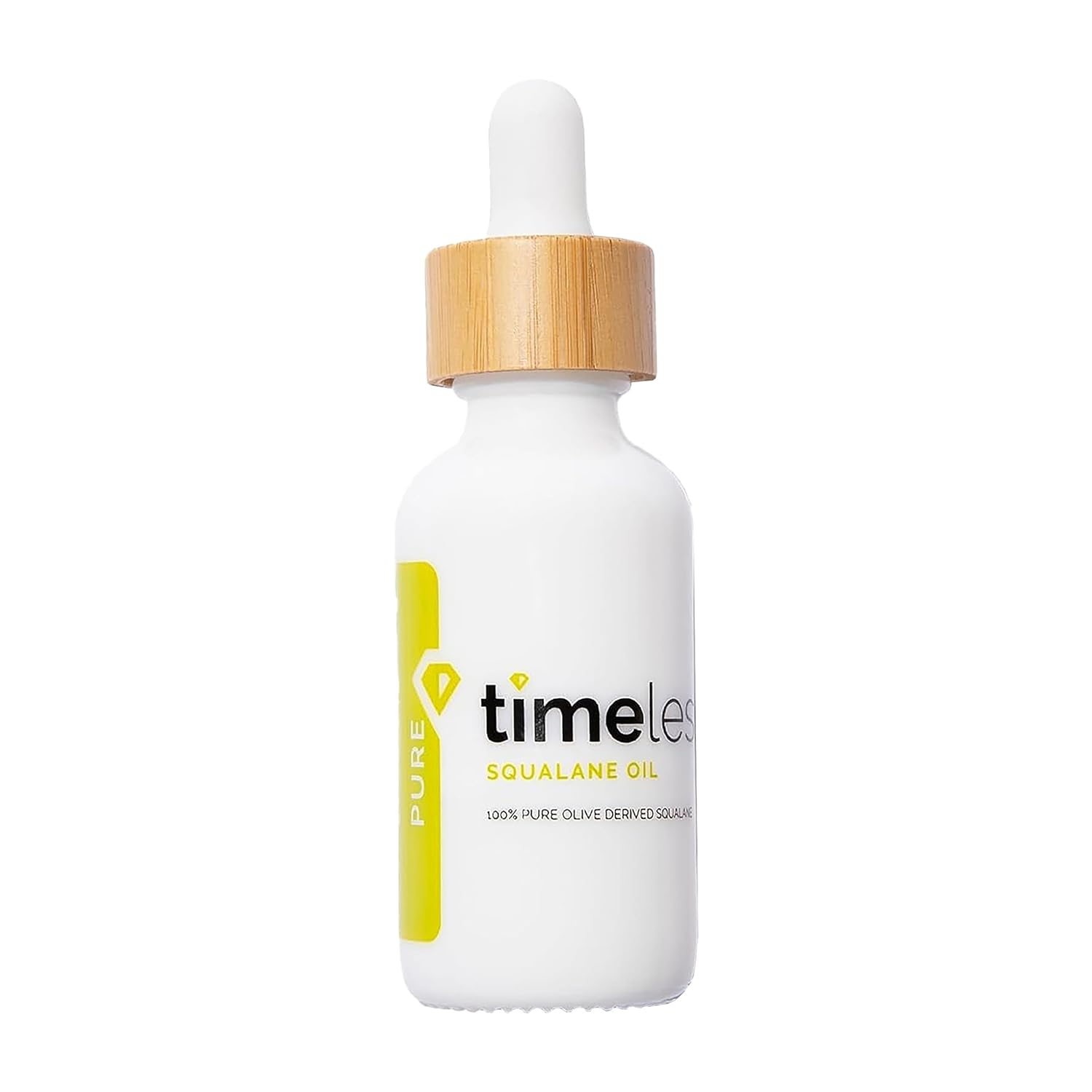
Timeless 100% Squalane Oil
How To Use It — Your Routine Guide
If you choose Kiehl’s Ultra Facial Cream 4.5% Squalane, apply it after cleansing and after any watery or serum steps. The easiest routine is gentle cleanser, hydrating serum if you use one, then the cream while your skin is still slightly damp. That helps ingredients like glycerin hold onto more water. In the morning, finish with sunscreen. At night, you can use a slightly thicker layer on dry patches.
If you choose Timeless 100% Squalane Oil, think of it as the sealing step. Apply a few drops after your moisturizer, or press it onto damp skin if you’re keeping your routine extremely minimal. If your skin is very dry, mixing a drop or two of squalane into your cream can make a basic moisturizer feel much more barrier-friendly. This is especially useful if you’re recovering from irritation caused by retinol, exfoliating acids, or cold weather.
For both products, I’d keep the rest of your routine boring while your barrier settles down. Pair them with a gentle cleanser and a non-irritating sunscreen, and temporarily scale back strong retinoids, scrubs, or leave-on acids if your skin is stinging. Research and clinical experience both suggest that consistency matters more than using a dozen products. A calm, repetitive routine usually works better than chasing fast results with too many actives.
FAQ
Is squalane enough to repair a damaged skin barrier?
It may help, especially by reducing moisture loss and softening rough skin, but a full cream usually does more. That’s why I prefer Kiehl’s Ultra Facial Cream 4.5% Squalane for most people over pure squalane alone. If your barrier is only mildly compromised, pure squalane can still be a useful minimalist option.
Is Kiehl’s Ultra Facial Cream 4.5% Squalane good for sensitive skin?
For many people, yes. It’s designed as a straightforward moisturizer with barrier-supportive ingredients like squalane and glycerin, and it tends to be well tolerated. If your skin is extremely reactive, patch testing is still smart, especially when your barrier is already irritated.
Can I use pure squalane oil instead of moisturizer?
Sometimes, but it depends on what your skin needs. Pure squalane is excellent for sealing in softness and reducing dryness, but it doesn’t replace water-binding ingredients like glycerin. If your skin feels dehydrated as well as dry, you’ll usually get better results layering squalane over a cream rather than using it alone.
Will squalane clog pores?
It may be less likely to feel heavy than many richer oils, which is one reason squalane is so popular. Many acne-prone users tolerate it well, but no ingredient is universally perfect. If you break out easily, start with a small amount and see how your skin responds.
Should I use squalane in the morning or at night?
You can use squalane either time. A cream like Kiehl’s works well morning and night, while a pure squalane oil is often easiest at night or in tiny amounts during the day under sunscreen. If you’re dealing with persistent dryness or irritation, consistent twice-daily use may help more than occasional spot treatment.
Final Thoughts
If you want the best squalane barrier repair cream, Kiehl's Ultra Facial Cream 4.5% Squalane is the one I’d buy first. It gives you squalane in a more complete, barrier-supportive formula, which is exactly what stressed skin usually needs. If you want to spend less, Timeless 100% Squalane Oil is a smart, simple backup that still earns a spot in a barrier-friendly routine.
Affiliate note: I may earn a small commission if you purchase through links to the products above. This helps support ongoing testing and reviews.